
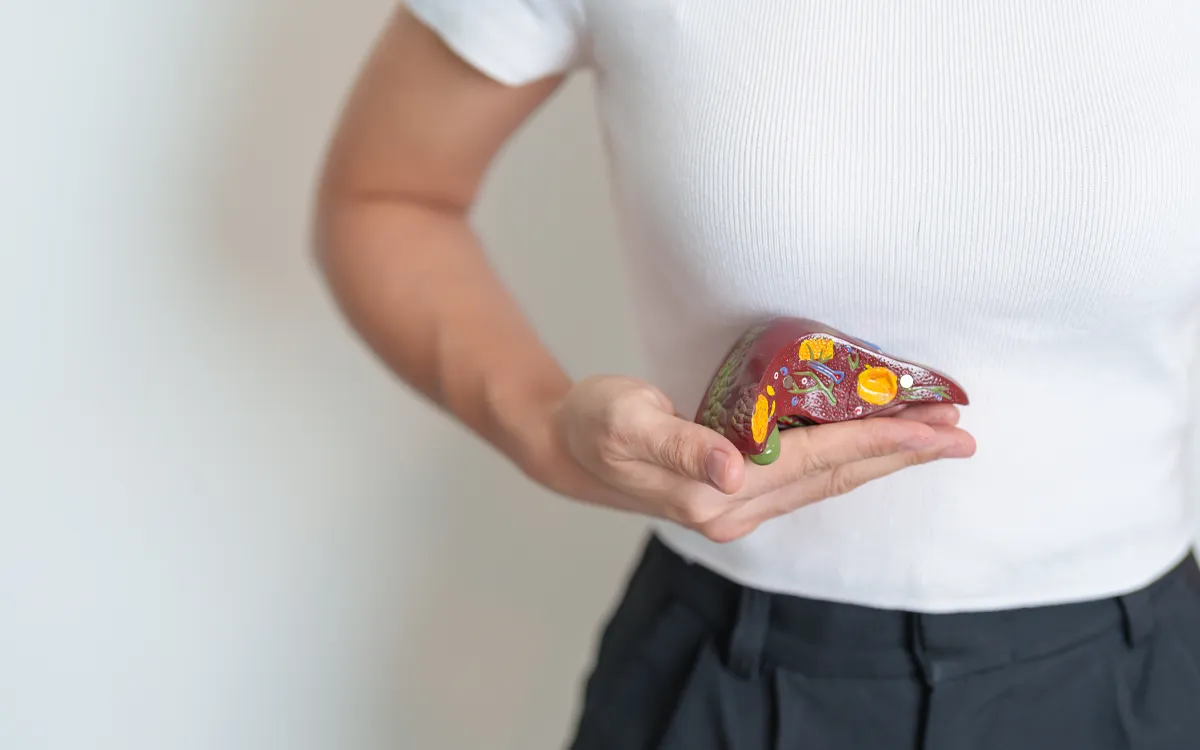
Gallstones are a common condition and are often discovered incidentally during scans for other problems. Many patients are understandably keen to know whether changes to diet or weight can help manage symptoms or prevent complications. While lifestyle factors do play a role, the relationship between diet, weight loss, and gallstones is often misunderstood.
This article explains what patients need to know — and what actually helps.
What Are Gallstones?
Gallstones are solid particles that form in the gallbladder, usually from cholesterol or bile pigments. They can vary in size and number, and many people with gallstones never experience symptoms.
Problems arise when gallstones cause blockage or irritation, leading to pain, inflammation, or infection.
Can Diet Cause Gallstones?
Diet alone does not directly cause gallstones, but it can influence the risk of developing them.
Factors associated with a higher risk include:
- Diets very high in refined carbohydrates
- Rapid weight loss or “crash dieting”
- Long periods of fasting
- Obesity
The gallbladder stores bile, which helps digest fats. When bile becomes too concentrated — or the gallbladder does not empty effectively — gallstones are more likely to form.
Does Eating Fat Make Gallstones Worse?
This is a common concern. While very fatty meals can sometimes trigger gallbladder pain in people with symptomatic gallstones, fat is not the enemy.
In fact:
- Completely avoiding fat can reduce gallbladder emptying
- Poor gallbladder emptying may increase stone formation
The key is moderation, not elimination.
Practical dietary advice:
- Avoid very large, heavy, fatty meals
- Choose healthy fats (olive oil, nuts, fish)
- Eat regular meals rather than skipping food
- Avoid highly processed and fried foods
Weight Loss and Gallstones: A Careful Balance
Weight loss can reduce the long-term risk of gallstone-related problems, but rapid weight loss increases the risk of forming gallstones.
This is particularly seen with:
- Very low-calorie diets
- Rapid slimming programmes
- Some bariatric surgery patients
Safer weight loss tips:
- Aim for gradual, steady weight loss
- Avoid extreme calorie restriction
- Include protein and healthy fats in meals
- Maintain regular eating patterns
If weight loss is being considered for health reasons, it should be slow and sustainable.
Can Diet Dissolve Gallstones?
Unfortunately, diet cannot dissolve existing gallstones. Once stones have formed, they tend to remain.
While dietary changes may:
- Reduce symptom frequency
- Improve general digestive health
- Lower future risk
They cannot remove gallstones or reliably prevent complications once symptoms develop.
What If You Have Gallstones but No Symptoms?
Many people have gallstones discovered incidentally and remain symptom-free.
In these cases:
- Surgery is often not required
- No specific diet is mandatory
- A balanced, healthy diet is usually sufficient
Patients are advised to seek medical review if symptoms develop, rather than making restrictive lifestyle changes unnecessarily.
When Is Surgery the Best Option?
If gallstones are causing:
- Recurrent pain
- Inflammation or infection
- Complications such as pancreatitis
Lifestyle changes alone are unlikely to be effective, and surgical removal of the gallbladder is usually the most reliable treatment.
Gallbladder surgery is commonly performed using keyhole techniques and allows most patients to return home the same day.
Practical Take-Home Advice
- Gallstones cannot be cured by diet alone
- Avoid extreme dieting or rapid weight loss
- Eat regular, balanced meals with moderate fat
- Focus on long-term health rather than restriction
- Seek specialist advice if symptoms develop
When Should You Seek Specialist Advice?
If you experience upper abdominal pain, nausea after meals, or known gallstones with symptoms, it is sensible to seek a specialist opinion. Early assessment helps determine whether lifestyle measures are sufficient or whether surgery would provide more effective relief.
In Summary
Diet and weight management play a supporting role in gallstone care, but they are not a cure. Sensible, evidence-based lifestyle choices can help reduce symptoms and improve overall health, while timely surgical treatment remains the most effective option for symptomatic gallstones.
A consultation with a specialist surgeon allows for personalised advice based on your symptoms, scans, and overall health.