
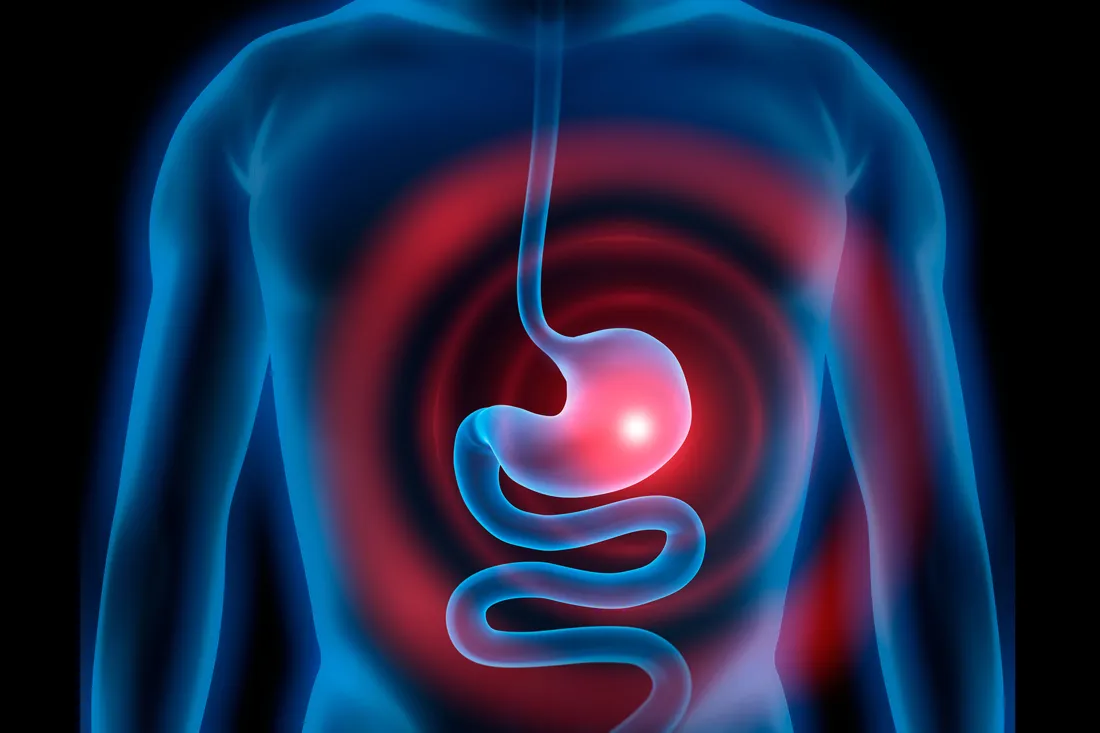
For patients considering anti-reflux surgery, one of the most common questions is not about the operation itself, but about what life is like afterwards. Will symptoms improve straight away? What can you eat? And how long does recovery really take?
This article sets out realistic, honest expectations about recovery after anti-reflux surgery, including symptom improvement and diet progression.
Why Patients Choose Anti-Reflux Surgery
Anti-reflux surgery is usually considered when acid reflux (GERD):
- Persists despite medication
- Returns when medication is stopped
- Causes complications such as inflammation or narrowing of the oesophagus
- Affects quality of life over the long term
Surgery aims to restore the body’s natural barrier to reflux, rather than simply suppressing acid.
The First Few Days After Surgery
Most anti-reflux procedures are performed using keyhole (laparoscopic) surgery, and patients usually go home within one or two days.
In the early recovery period, it is normal to experience:
- Some discomfort around the abdomen or shoulders
- Mild difficulty swallowing
- Bloating or a feeling of fullness
- Tiredness
These symptoms are expected and usually improve steadily over the first few weeks.
Symptom Improvement: What to Expect
Many patients notice an improvement in reflux symptoms very quickly, sometimes within days. However, it is important to understand that:
- Swallowing may feel tight initially
- Full benefits develop gradually as swelling settles
- Some temporary symptoms are part of normal healing
Heartburn typically improves significantly, but occasional discomfort early on does not mean the surgery has failed.
Diet After Anti-Reflux Surgery
Diet progression is one of the most important aspects of recovery.
Early Diet (First Few Weeks)
Patients are usually advised to start with:
- Liquids and soft foods
- Small, frequent meals
- Slow, careful eating
This helps prevent discomfort and allows the surgical repair to heal properly.
Gradual Return to Normal Eating
Over several weeks, most patients can:
- Reintroduce more solid foods
- Increase portion sizes gradually
- Return to a largely normal diet
Eating slowly and chewing well remains important during recovery.
Common Temporary Side Effects
Some patients experience short-term side effects, including:
- Difficulty burping
- Increased bloating or wind
- A feeling of pressure after meals
These symptoms usually improve as the body adapts and swelling resolves.
Returning to Normal Activities
Most patients can:
- Walk on the day of surgery
- Resume light activities within a few days
- Return to work within 2–4 weeks (depending on the role)
Heavy lifting and strenuous exercise are usually avoided for several weeks.
Long-Term Outlook
For appropriately selected patients, anti-reflux surgery offers:
- Significant and lasting symptom relief
- Reduced or eliminated need for reflux medication
- Improved quality of life
That said, surgery is not about perfection — occasional symptoms can still occur, but they are usually far milder and more manageable.
Setting Realistic Expectations
Successful outcomes depend on:
- Careful patient selection
- Good surgical technique
- Following post-operative advice
An open discussion before surgery is essential so patients understand both the benefits and the limitations of treatment.
In Summary
- Recovery after anti-reflux surgery is gradual, not instant
- Temporary swallowing difficulty and bloating are common
- Diet progresses from liquids to solids over several weeks
- Most patients experience significant long-term improvement
- Honest expectations lead to better outcomes and satisfaction
If reflux symptoms continue to affect your quality of life despite medication, a specialist consultation can help determine whether surgery is the right option for you.