
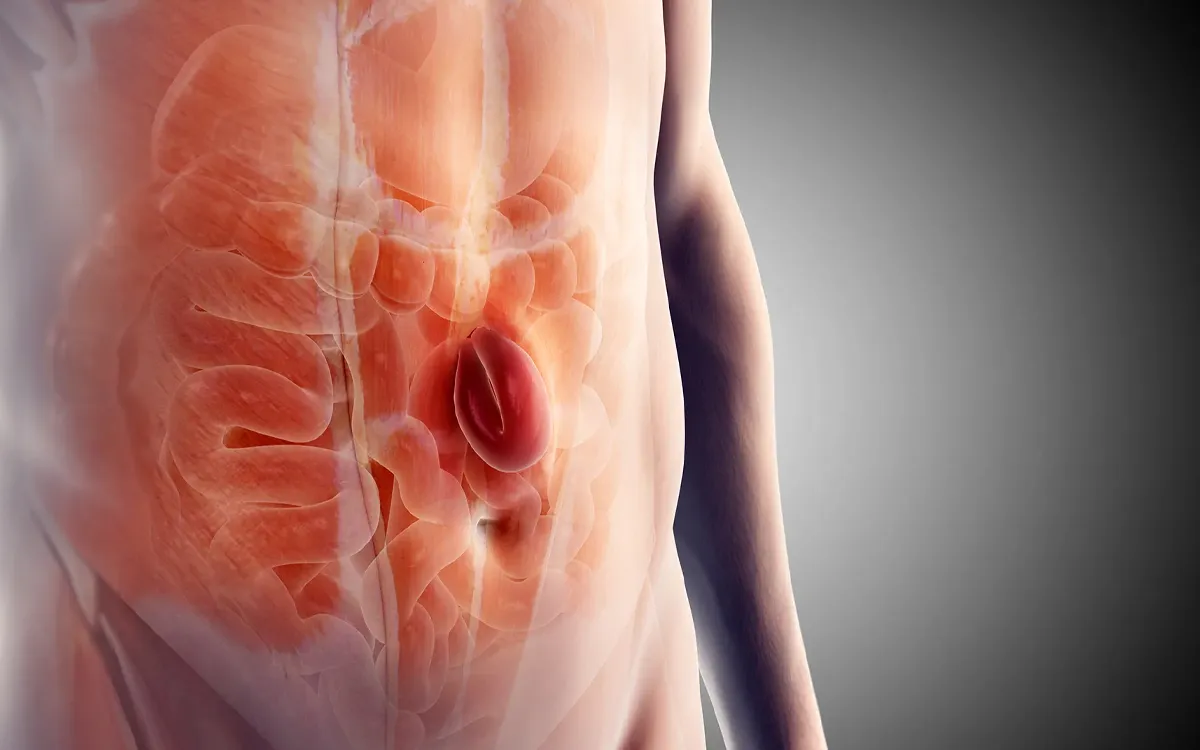
A hernia is a common condition that many people live with for months or even years before seeking medical advice. While the word hernia can sound alarming, not all hernias are dangerous, and not all require immediate surgery. Understanding what a hernia is, and when treatment is needed, can help patients make informed decisions about their care.
What Is a Hernia?
A hernia occurs when an internal structure, usually part of the bowel or fatty tissue, pushes through a weak area in the muscle or connective tissue that normally holds it in place. This often results in a visible or palpable lump, which may become more noticeable when standing, coughing, or straining.
Hernias most commonly develop in the abdomen or groin, but they can occur in other areas depending on the underlying weakness in the muscle wall.
Common Types of Hernias
The most frequently seen hernias include:
- Inguinal hernias – Occur in the groin and are more common in men
- Umbilical hernias – Appear around the belly button
- Incisional hernias – Develop at the site of previous abdominal surgery
- Femoral hernias – Less common, more often seen in women
Each type behaves slightly differently, and treatment decisions depend on the hernia’s size, symptoms, and potential risks.
What Symptoms Do Hernias Cause?
Some hernias cause very few symptoms, particularly in the early stages. Others may lead to:
- A lump or swelling that comes and goes
- Discomfort or aching, especially after activity or lifting
- A feeling of pressure or heaviness
- Pain when coughing or bending
Importantly, pain is not always present, which is why some patients delay assessment.
Do All Hernias Need Surgery?
The simple answer is no — not all hernias need immediate surgery.
In some cases, a hernia may be:
- Small
- Causing minimal or no symptoms
- Unlikely to cause complications in the short term
For these patients, a strategy known as watchful waiting may be appropriate. This involves monitoring the hernia over time and reviewing symptoms regularly.
However, it is important to understand that hernias do not heal on their own. Over time, many hernias gradually increase in size and may become more symptomatic.
When Is Surgery Recommended?
Surgery is usually advised if:
- The hernia is causing pain or limiting daily activities
- The hernia is increasing in size
- There is a risk of complications
- The patient prefers definitive treatment
Hernia repair is one of the most commonly performed surgical procedures and is generally very safe when carried out electively.
When Is a Hernia an Emergency?
Occasionally, a hernia can become strangulated, meaning the blood supply to the trapped tissue is compromised. This is a medical emergency.
Symptoms that require urgent medical attention include:
- Sudden, severe pain
- A hernia lump that becomes hard, tender, or irreducible
- Nausea or vomiting
- Redness or discolouration over the hernia
Prompt treatment in these situations is essential.
What Does Hernia Surgery Involve?
Hernia repair can be performed using:
- Open surgery, or
- Keyhole (laparoscopic) surgery
The most suitable approach depends on the type of hernia, previous surgery, and individual patient factors. Both methods aim to return the hernia contents to their proper position and reinforce the weakened area, often using a surgical mesh.
Most hernia operations are performed as day-case procedures, allowing patients to go home the same day.
Recovery After Hernia Surgery
Recovery times vary, but most patients can:
- Walk on the day of surgery
- Return to light activities within a few days
- Resume work and exercise gradually over several weeks
Clear guidance is provided after surgery to help patients recover safely and confidently.
When Should You See a Specialist?
If you have a lump, discomfort, or suspected hernia, it is sensible to seek specialist advice — even if symptoms are mild. An assessment allows for:
- Confirmation of the diagnosis
- Discussion of treatment options
- Reassurance where surgery is not immediately required
Early review also helps prevent complications and allows surgery to be planned at a convenient and safe time if needed.
In Summary
- A hernia is a weakness in the muscle wall allowing tissue to protrude
- Not all hernias need immediate surgery
- Hernias do not resolve without treatment and may worsen over time
- Surgery is safe, effective, and often performed as a day case
- Urgent symptoms should never be ignored
If you are concerned about a hernia or would like personalised advice, please contact me for a consultation