
Anti-reflux (acid reflux and GORD)
symptoms, diagnosis and treatment
If you are struggling with heartburn, acid coming up into your throat or a chronic cough, it can be hard to know what is normal and when to seek help. On this page, Buckinghamshire general surgeon Mr Shaun Appleton explains acid reflux and GORD, how they are diagnosed and the treatment options available, including anti-reflux surgery when tablets and lifestyle changes are not enough.
Anti-reflux (acid reflux and GORD)
Acid reflux is when stomach contents flow back up into the oesophagus, the tube that carries food from your mouth to your stomach. This can cause heartburn, a sour taste in the mouth and a range of other symptoms. When reflux is frequent or long term, it is called GORD (gastro-oesophageal reflux disease).
Many people have occasional heartburn, but for some it becomes a daily problem that affects sleep, work and quality of life. In the long term, uncontrolled reflux can damage the lining of the oesophagus and lead to complications. The good news is that there are effective treatments, ranging from lifestyle changes and medicines to anti-reflux surgery in selected patients.
A QUICK SUMMARY
- Acid reflux happens when stomach acid flows back up into the oesophagus, causing heartburn and other symptoms.
- Occasional heartburn is common, but frequent or severe symptoms may mean you have GORD.
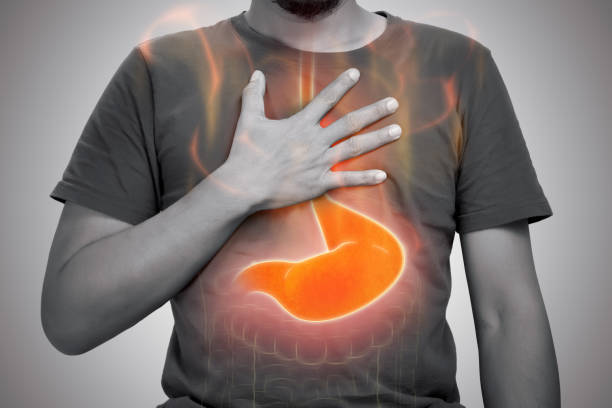
- Typical symptoms include burning pain behind the breastbone, regurgitation of acid or food, and a sour or bitter taste in the mouth.
- Reflux can also cause less obvious symptoms such as a chronic cough, hoarseness, throat clearing or asthma-like symptoms.
- Diagnosis is based on your symptoms, examination and, in some cases, tests such as gastroscopy and pH monitoring.
- Treatment starts with lifestyle changes and medicines.
- Anti-reflux surgery may be considered if symptoms continue despite tablets, if you do not wish to stay on long term medication, or if there are complications.

What is acid reflux and GORD?
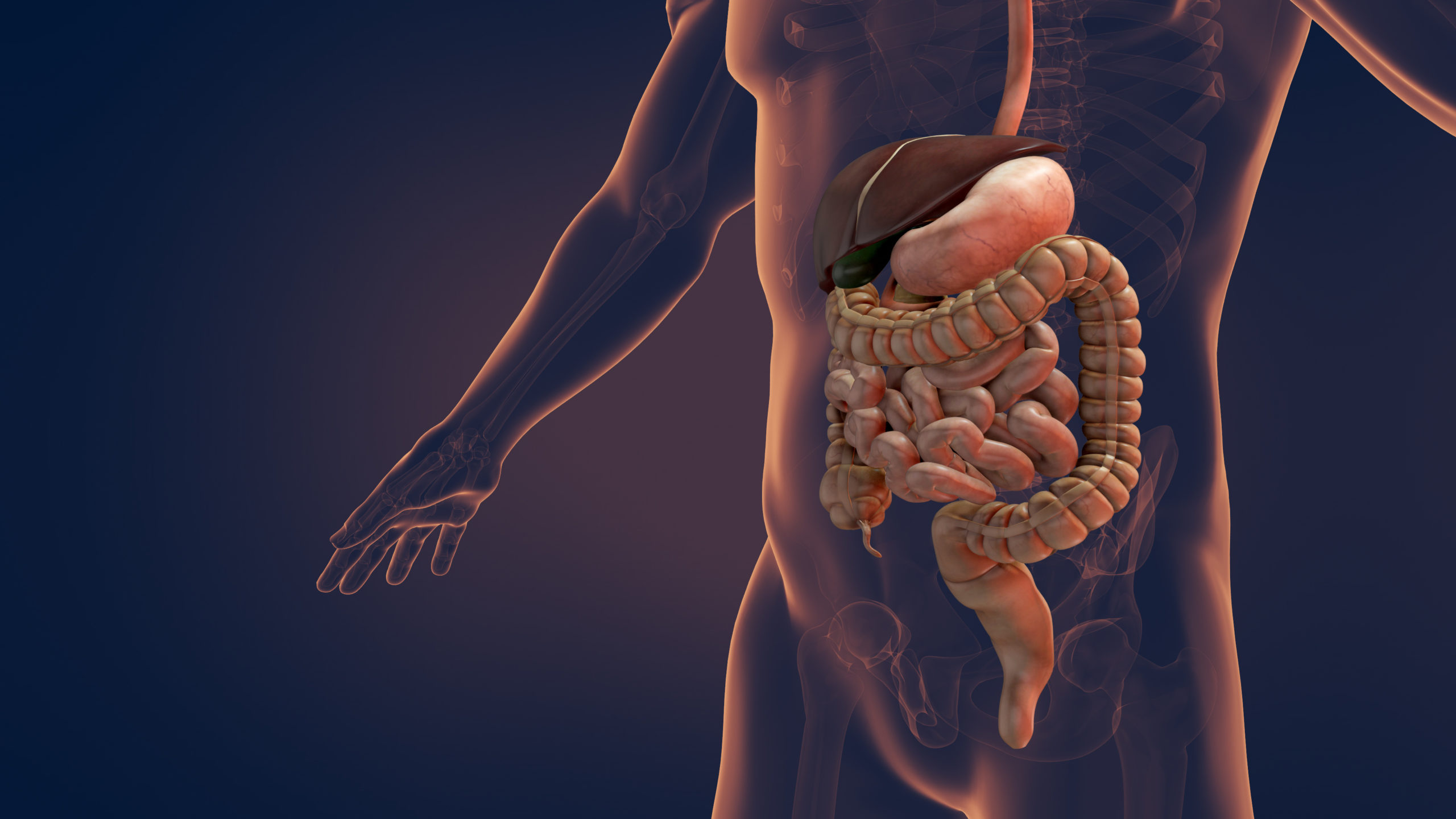
At the bottom of the oesophagus is a valve-like ring of muscle called the lower oesophageal sphincter. Its job is to let food into the stomach and then close tightly so that stomach acid and food do not flow back up.
In acid reflux and GORD:
-
The sphincter may be weaker or relax at the wrong times.
-
There may be a hiatus hernia, where part of the stomach pushes up through the diaphragm into the chest.
-
Pressure inside the abdomen may be higher, for example with central weight gain or pregnancy.
As a result, acidic stomach contents can move back up into the oesophagus. The lining of the oesophagus is not designed to cope with acid, so this causes irritation and inflammation, leading to symptoms.
Acid reflux usually refers to the symptom itself.
GORD is the medical term used when reflux symptoms are frequent, long-lasting or causing complications.
Common symptoms of acid reflux
The most typical symptoms include:
-
Heartburn
A burning, hot or painful feeling behind the breastbone or in the upper chest. It may be worse after meals, when bending over or when lying down. -
Regurgitation
A sour, acidic or bitter fluid coming up into the back of the throat or mouth, sometimes with food. -
Chest discomfort
A tight, pressure-like or burning sensation in the chest.Chest pain can be caused by heart problems as well as reflux. New, severe or unexplained chest pain should always be assessed urgently.
Other symptoms that can be linked to reflux include:
-
A lump sensation in the throat (globus).
-
Chronic cough, throat clearing or hoarseness.
-
Worsening asthma or wheeze.
-
Bad breath.
-
Nausea, bloating or early fullness after eating.
-
Disturbed sleep if reflux is worse at night.
These symptoms can overlap with other conditions, so a proper assessment is important.
When reflux is more serious
Long-standing or poorly controlled reflux can cause complications, including:
-
Oesophagitis
Inflammation of the lining of the oesophagus caused by repeated acid exposure. This can cause pain when swallowing and bleeding in more severe cases. -
Strictures
Scar tissue can cause narrowing of the oesophagus, making it difficult for food to pass. This can lead to food sticking or getting stuck. -
Barrett’s oesophagus
In some people, the lining of the lower oesophagus changes in response to long-term acid exposure. This condition slightly increases the risk of oesophageal cancer and often needs regular monitoring. -
Respiratory problems
Reflux can trigger asthma, chronic cough and other breathing symptoms in some patients.
You should seek urgent medical help if you experience:
-
Difficulty swallowing or food getting stuck in your throat or chest.
-
Unintentional weight loss or loss of appetite.
-
Vomiting blood or material that looks like coffee grounds.
-
Black or very dark stools.
-
New or worsening chest pain, especially if it is severe, associated with shortness of breath, sweating or pain radiating to the arm, neck or jaw.
What causes reflux and who is at risk?
There is often no single cause, but factors that make reflux more likely include:
-
A hiatus hernia.
-
Being overweight, particularly with weight around the abdomen.
-
Pregnancy.
-
Eating large meals or lying down soon after eating.
-
A diet rich in fatty or fried foods, chocolate, peppermint, spicy foods, caffeine or alcohol.
-
Smoking.
-
Certain medicines that can relax the lower oesophageal sphincter or irritate the oesophagus.
-
A family history of reflux problems.
You can develop reflux even if you have a healthy lifestyle, and having reflux is not a sign that you have done something wrong.
How is reflux diagnosed?
In many people, a diagnosis of GORD can be made based on symptoms and how they respond to treatment. During an assessment, a clinician such as Mr Shaun Appleton will usually:
-
Take a detailed history
Asking about the nature, timing and triggers of your symptoms, and how they affect your daily life. -
Perform an examination
Checking your abdomen, chest and throat, and looking for any concerning signs. -
Consider further tests, especially if:
-
Symptoms are severe or persistent.
-
There are alarm features such as difficulty swallowing or weight loss.
-
You are not improving on standard treatment.
-
Surgery is being considered.
-
Tests may include:
-
-
Gastroscopy (upper endoscopy)
A flexible camera is passed through the mouth into the oesophagus and stomach under sedation or local anaesthetic. This allows direct inspection of the lining and biopsies if needed. -
24-hour pH or pH-impedance monitoring
Measures how often and for how long acid (and sometimes non-acid) reflux occurs over a day. -
Oesophageal manometry
Measures the pressure and muscle contractions in the oesophagus and the function of the lower oesophageal sphincter. -
Barium swallow or imaging
Less commonly, an X-ray swallow test or scans may be used to assess anatomy and detect hiatus hernia.
-
These tests help confirm reflux as the cause of your symptoms and guide the most appropriate treatment.
Treatment options for acid reflux and GORD
Treatment aims to relieve symptoms, heal any inflammation, prevent complications and improve quality of life. Most people start with lifestyle measures and medicines. Anti-reflux surgery is considered in selected patients.
Lifestyle and self-care measures
These steps can significantly improve symptoms for many people:
-
Eat smaller, more frequent meals rather than large heavy meals.
-
Avoid eating within 2 to 3 hours of going to bed.
-
Raise the head of the bed slightly if symptoms are worse at night.
-
Lose weight if you are overweight, particularly if you carry weight around your abdomen.
-
Stop smoking.
-
Limit alcohol and reduce food triggers such as very fatty foods, chocolate, peppermint, spicy foods and caffeine if you notice they worsen your symptoms.
-
Avoid tight clothing around the waist and heavy lifting where possible.
These changes may be enough for mild reflux and are still helpful alongside medicines and other treatments.
Medicines
Several types of medication can be used for reflux:
-
Antacids and alginates
Over-the-counter preparations that neutralise stomach acid or form a protective barrier. They provide short term relief. -
H2-receptor antagonists
Tablets that reduce acid production. They can be useful for mild to moderate symptoms. -
Proton pump inhibitors (PPIs)
More powerful acid-suppressing medicines, often used as first line treatment in GORD. They help heal oesophagitis and reduce symptoms in many people.
Your doctor will usually recommend a trial of medicine alongside lifestyle changes. The dose and type can be adjusted depending on how you respond.
Anti-reflux surgery
Anti-reflux surgery may be considered when:
-
Symptoms continue despite optimal medical treatment and lifestyle changes.
-
You have good symptom relief on PPIs but prefer not to take long term tablets.
-
There are complications such as significant oesophagitis or a large hiatus hernia.
-
Reflux is strongly suspected and confirmed on testing.
The most common surgical approach is laparoscopic (keyhole) anti-reflux surgery, which usually involves:
-
Repairing any hiatus hernia, bringing the stomach back into the abdomen and tightening the opening in the diaphragm.
-
Strengthening the valve at the bottom of the oesophagus, often by wrapping the top part of the stomach around it in a controlled way (a procedure known as fundoplication).
Anti-reflux surgery aims to restore the barrier to reflux and reduce or eliminate the need for acid-suppressing medicines. It is usually performed under general anaesthetic, often as a short hospital stay.
Surgery is not suitable for everyone. It is important to have careful assessment and appropriate tests beforehand, and to discuss the potential benefits and risks, including swallowing difficulties, bloating and the small risk that symptoms may persist or recur.
Anti-reflux treatments available with Mr Shaun Appleton
As a consultant general surgeon with an interest in upper gastrointestinal conditions, Mr Shaun Appleton can offer:
-
Careful assessment of acid reflux and GORD symptoms.
-
Guidance on lifestyle changes and optimisation of medical therapy.
-
Arrangement and interpretation of investigations such as gastroscopy and, where appropriate, reflux and motility tests.
-
Discussion of surgical options, including laparoscopic anti-reflux surgery and hiatus hernia repair where suitable.
During your consultation he will:
-
Review your symptom history and any previous test results.
-
Confirm whether reflux is the likely cause of your problems.
-
Explain the pros and cons of continuing medical therapy versus surgery in your individual case.
-
Answer your questions and help you decide on the best plan for you.
Living with reflux and self-care
If you have ongoing reflux, the following tips may help while you are being assessed or awaiting treatment:
-
Keep a simple food and symptom diary to identify triggers.
-
Take medicines exactly as prescribed, usually before meals.
-
Avoid lying flat soon after eating, and consider raising the head of the bed by a few centimetres.
-
If you drink alcohol, do so in moderation and avoid drinking late at night.
-
Maintain a healthy weight and stay physically active.
-
If you take medicines that may worsen reflux, discuss alternatives with your doctor where appropriate.
These measures do not replace medical advice, but they can make a noticeable difference to symptoms for many people.
When to seek help
Arrange a routine appointment with your GP or a specialist such as Mr Shaun Appleton if:
-
You have heartburn or reflux symptoms more than a couple of times a week.
-
Your symptoms are affecting sleep, work or daily activities.
-
You need to take over-the-counter heartburn remedies regularly.
-
You have been on acid-suppressing medication for a long time and want to review your options.
Seek urgent medical help and, in an emergency, call 999 or attend A&E if:
-
You have new or severe chest pain, especially with shortness of breath, sweating or pain radiating to the arm, neck or jaw.
-
You have difficulty swallowing, food getting stuck or pain on swallowing.
-
You are vomiting blood or material that looks like coffee grounds.
-
Your stools are black or very dark and sticky.
-
You have unintentional weight loss, loss of appetite or persistent vomiting.
-
You feel acutely unwell, light headed or faint.
FAQ
Is occasional heartburn normal?
Yes. Many people experience mild heartburn from time to time, especially after a large or rich meal. If it is infrequent and settles quickly with simple measures, it may not be a cause for concern. Frequent, severe or persistent symptoms should be assessed.
Is occasional heartburn normal?
Yes. Many people experience mild heartburn from time to time, especially after a large or rich meal. If it is infrequent and settles quickly with simple measures, it may not be a cause for concern. Frequent, severe or persistent symptoms should be assessed.
Do I have to take reflux tablets forever?
Not necessarily. Some people only need a course of medication for a period of time, alongside lifestyle changes. Others may need longer term treatment. If you are considering alternatives to long term tablets, such as anti-reflux surgery, this can be discussed with a specialist.
Can reflux cause cancer?
Most people with acid reflux will never develop cancer. However, long-standing uncontrolled reflux can lead to changes in the oesophagus (Barrett’s oesophagus) that slightly increase the risk. This is why proper assessment and appropriate treatment are important if symptoms are persistent.
Will surgery cure my reflux?
Anti-reflux surgery can provide excellent relief from symptoms in many patients and may reduce or remove the need for medication. However, no operation can guarantee a cure for everyone. Careful selection, appropriate testing and realistic expectations are important.
Can I still eat normally after anti-reflux surgery?
There is usually a period of gradual progression from liquids to soft foods and then to a more normal diet over several weeks. Some people may need to make minor long term adjustments, such as eating smaller meals and chewing well. Your surgeon and dietitian, if involved, will provide specific advice.
Is acid reflux the same as a heart problem?
No, they are different conditions, but the symptoms can overlap. Heartburn and chest discomfort can come from the oesophagus or the heart, and it is not always easy to tell them apart. New, severe or unexplained chest pain should always be treated as a possible heart problem until proven otherwise.

Related conditions and procedures
On this website you may also find it helpful to read about:
-
Hiatus hernia and hiatus hernia repair.
-
Gastroscopy and upper gastrointestinal investigations.
-
Gallstones and gallbladder surgery, as upper abdominal symptoms can overlap.
-
Hernias and abdominal wall surgery.
NEXT STEPS
If acid reflux is affecting your quality of life, or you are concerned about long term use of medication or the risk of complications, an assessment with an experienced general surgeon can help clarify your diagnosis and treatment options.
Mr Shaun Appleton offers personalised assessment and management for acid reflux and GORD, including discussion of lifestyle changes, medical therapy and anti-reflux surgery where appropriate. To arrange an appointment, please use the contact details or enquiry form provided on this website.
GET IN TOUCH
BOOK ONLINE
Book online using the Circle Health Group booking system (opens in new window).
Private booking appointment
Booking is done directly with The Chiltern Hospital
Private Secretary
My private secretary Jo Bolton – contact for any queries
Billing enquiries
Billing enquiries go direct to Patient Billing
NHS enquiries
Enquiries for anything NHS related