
GALLSTONES
symptoms, diagnosis and treatment
Clear, expert information about gallstones, their symptoms, diagnosis and treatment, with advice from Buckinghamshire general surgeon Mr Shaun Appleton on when surgery is recommended and when to seek urgent help.
GALLSTONES
Gallstones are a very common cause of upper abdominal pain. For many people they cause no symptoms at all, but for others they can lead to severe pain, infections and sometimes emergency surgery. On this page Mr Shaun Appleton explains what gallstones are, the symptoms to look out for, how they are diagnosed and the treatment options available, including keyhole gallbladder removal.
A QUICK SUMMARY
-
Gallstones are small stones that form in the gallbladder, usually made of cholesterol.
-
Many people have gallstones without knowing. They only need treatment if they cause symptoms or complications.
-
Typical symptoms include episodes of severe pain under the right ribs or in the upper abdomen, often after eating.
-
Tests such as ultrasound scans are used to diagnose gallstones.
-
The most effective treatment for symptomatic gallstones is usually laparoscopic (keyhole) gallbladder removal, called a laparoscopic cholecystectomy.
-
Serious symptoms such as fever, yellow skin or very severe pain may be a sign of complications and need urgent assessment.
WHAT ARE GALLSTONES
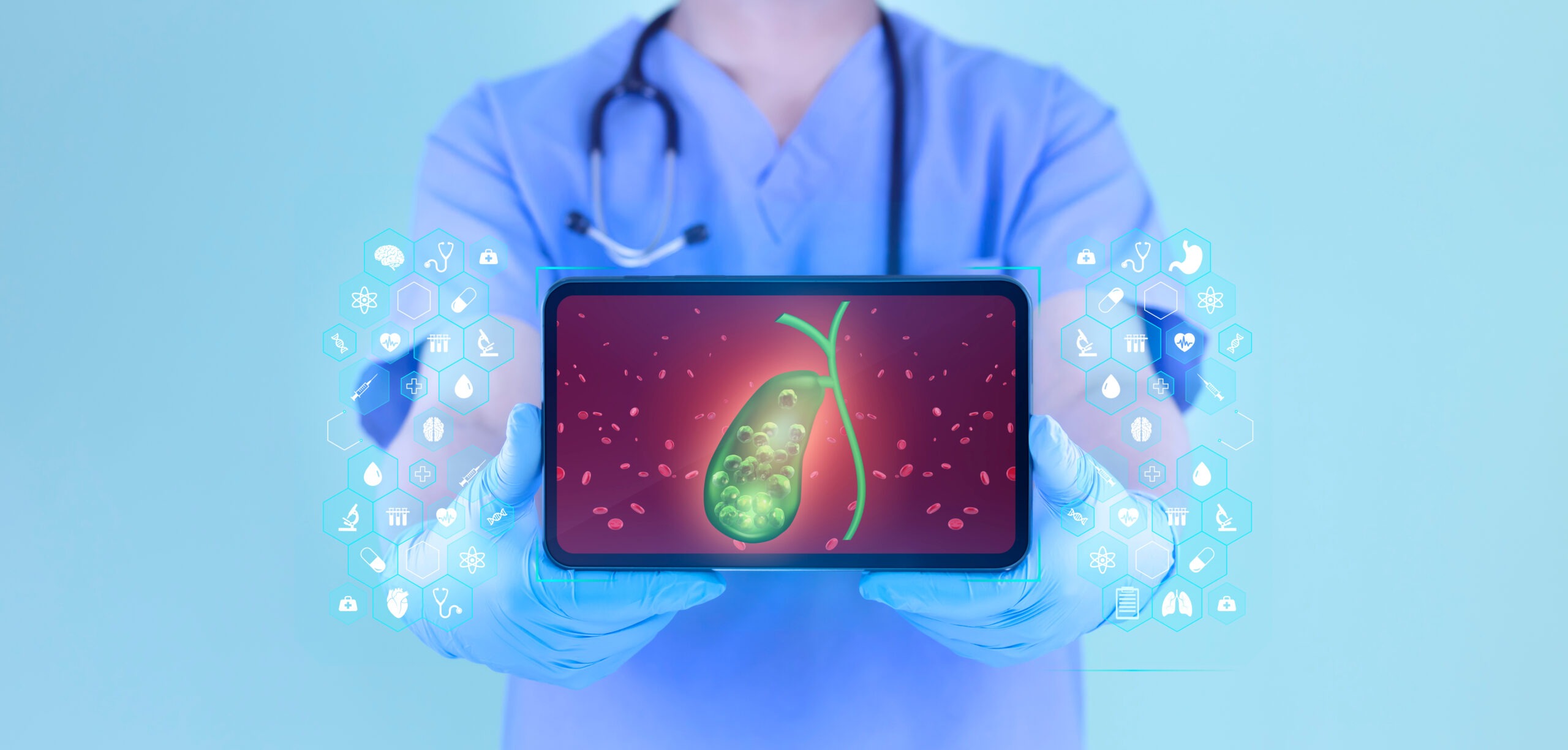
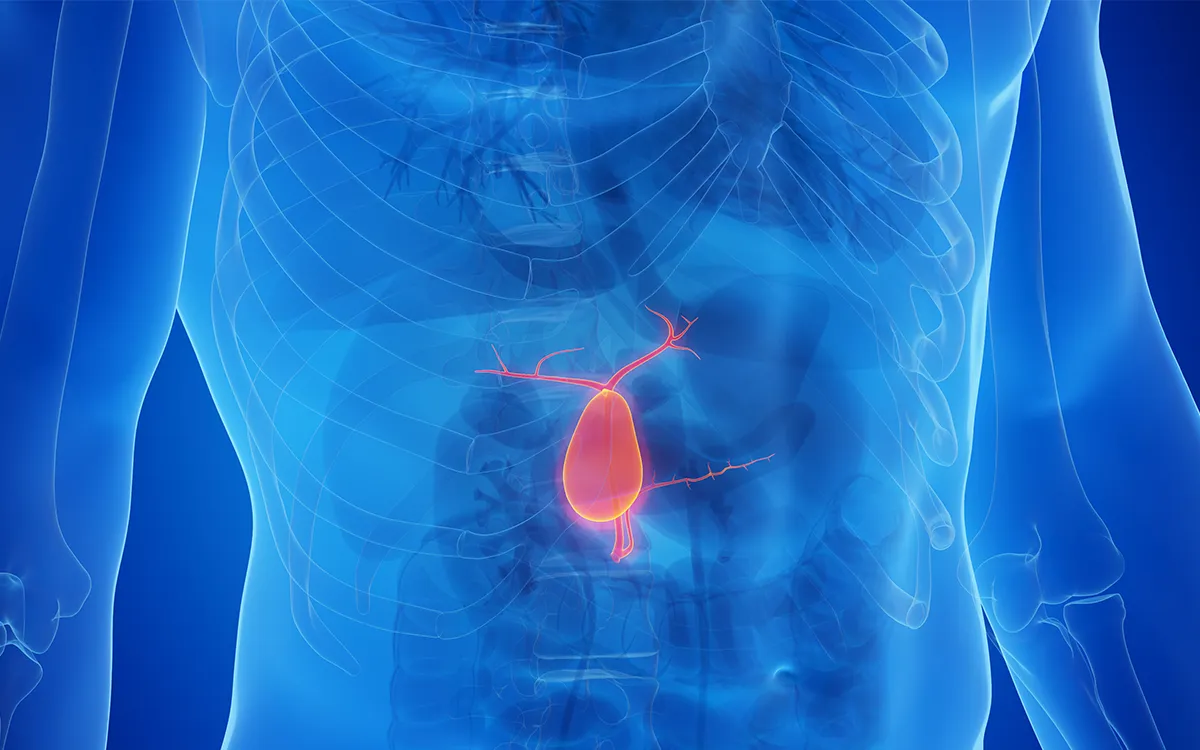
Gallstones are small, solid lumps that form in the gallbladder, a small pouch that sits under the liver on the right side of your upper abdomen.
The gallbladder stores bile, a digestive fluid produced by the liver that helps your body break down fats.
If the balance of substances in bile changes, crystals can form and gradually grow into stones. These may be:
-
Cholesterol stones, the most common type.
-
Pigment stones, which are darker and linked to certain medical conditions.
Gallstones can vary in size from a grain of sand to several centimetres across. You may have a single large stone, many smaller stones, or a mixture.
Many people have gallstones and will never know. They are often found by chance when scans are done for other reasons. These “silent” gallstones do not usually need treatment.
Common symptoms of gallstones
Gallstones only cause problems when they block the normal flow of bile. This usually happens when a stone gets stuck in the neck of the gallbladder or in one of the bile ducts.
The most typical symptom is called biliary colic:
-
Sudden onset of severe pain in the upper abdomen, often just under the right rib cage or in the middle just below the breastbone.
-
The pain may spread to the back or the right shoulder blade.
-
Attacks often occur after eating a fatty or heavy meal, but can happen at any time.
-
Pain can last from 30 minutes to several hours.
-
You may feel nauseous or vomit during an episode.
Between attacks you may feel back to normal.
Other possible symptoms include:
-
Indigestion, bloating or discomfort after eating.
-
Nausea or reduced appetite.
-
A general sense that certain foods “set off” your symptoms.
These symptoms can overlap with other conditions such as acid reflux, stomach ulcers or heart problems, so a proper assessment is important.
When gallstones cause complications
Sometimes gallstones cause more serious problems. These need urgent medical attention.
Possible complications include:
-
Acute cholecystitis
Inflammation or infection of the gallbladder. Symptoms include continuous pain in the upper right abdomen, fever, feeling generally unwell and tenderness when the area is pressed. -
Jaundice and bile duct stones (choledocholithiasis)
If a stone blocks the main bile duct, bile cannot drain properly. The whites of the eyes and skin may turn yellow, urine becomes dark and stools may be pale. You may also have pain, fever or chills. -
Pancreatitis
A gallstone can block the duct that drains the pancreas, causing inflammation known as acute pancreatitis. This usually causes severe central upper abdominal pain that may go through to the back, along with nausea and vomiting. It can be serious and sometimes life threatening. -
Cholangitis
Infection of the bile ducts, usually causing pain, fever and jaundice. This is a medical emergency.
If you develop any of the following, you should seek urgent medical help:
- Severe or worsening abdominal pain, especially if it is continuous.
- Fever, shivering or feeling very unwell.
- Yellow skin or eyes (jaundice).
- Persistent vomiting or inability to keep fluids down.
- Chest pain or shortness of breath.
What causes gallstones?
There is often no single cause, but several factors make gallstones more likely:
-
Being female or having been pregnant.
-
Increasing age.
-
Being overweight or having recently lost a lot of weight quickly.
-
A family history of gallstones.
-
Certain blood disorders and medical conditions.
-
Taking certain medications, including some used for hormone therapy.
You can develop gallstones even if you have a healthy diet and lifestyle, so having gallstones is not a sign that you have done something wrong.
How are gallstones diagnosed?
If gallstones are suspected, your doctor or surgeon will usually:
- Take a detailed history
Asking about your symptoms, when they occur, how long they last and what makes them better or worse. - Examine your abdomen
Checking for tenderness, signs of infection or jaundice. - Arrange tests, which may include:
- Ultrasound scan of the upper abdomen. This is the most common and reliable first test for gallstones and gallbladder inflammation.
- Blood tests to look for signs of infection, inflammation or problems with the liver or pancreas.
- In more complex cases, additional imaging such as MRI or CT scans, or specialised bile duct imaging, may be requested.
These investigations help confirm that your symptoms are due to gallstones and guide the most appropriate treatment.
Gallstone treatments available with Mr Shaun Appleton
As a consultant general surgeon, Mr Shaun Appleton offers:
-
Laparoscopic gallbladder removal (laparoscopic cholecystectomy)
This is the standard and most effective treatment for symptomatic gallstones. Several small cuts are made in the abdomen and the gallbladder is removed using a camera and fine instruments. Most patients go home the same day or the following day and can return to normal activities over the next 1 to 2 weeks. -
Management of complicated gallstone disease in partnership with local hospitals
For problems such as bile duct stones or gallstone pancreatitis, you may require additional specialist procedures such as ERCP (a type of endoscopic bile duct procedure) provided by a gastroenterology team. Mr Appleton works closely with these teams and will explain the recommended pathway in your situation.
During your consultation, Mr Appleton will:
-
-
Review your symptoms and test results.
-
Explain whether your gallstones are the likely cause of your problems.
-
Discuss the risks and benefits of surgery compared with non surgical options.
-
Answer your questions and help you decide on the best plan for you.
-
Living with gallstones and self care
If you have gallstones that are causing mild or infrequent symptoms, lifestyle measures may help reduce attacks while you are considering or awaiting treatment:
-
Eat regular meals and avoid very large, heavy or fatty meals.
-
Reduce fried foods and high fat foods such as takeaway meals, processed meats and rich desserts.
-
Maintain a healthy weight. If you need to lose weight, aim to do so gradually rather than very quickly.
-
Stay active and keep generally fit, as this supports overall digestive and metabolic health.
These measures cannot remove gallstones but may reduce the frequency or severity of biliary colic until a more definitive treatment such as surgery is carried out.
Related conditions and procedures
On this website you may also find it helpful to read about:
- Laparoscopic gallbladder removal (laparoscopic cholecystectomy).
- Acid reflux and anti reflux surgery, as some symptoms can overlap.
- Other upper abdominal surgical conditions managed by Mr Appleton.
FAQ
Do all gallstones need to be removed?
No. If gallstones are found by chance and you have never had symptoms, you may not need any treatment. Gallstones usually only require surgery if they cause pain or complications.
Do all gallstones need to be removed?
No. If gallstones are found by chance and you have never had symptoms, you may not need any treatment. Gallstones usually only require surgery if they cause pain or complications.
Will I be able to digest food without a gallbladder?
Yes. The liver continues to produce bile, which drains directly into the intestine rather than being stored in the gallbladder. Most people digest food normally after surgery. A small number notice looser stools for a short time, which usually settles.
Can gallstones come back after the gallbladder is removed?
Once the gallbladder is removed, gallstones cannot form there again. Very rarely, new stones can form in the bile ducts, but this is uncommon.
Is gallbladder surgery safe?
Laparoscopic cholecystectomy is a very common operation with a high success rate. As with any surgery, there are risks, including bleeding, infection and bile duct injury, but serious complications are uncommon. Your surgeon will discuss these risks with you in detail.
How long is recovery after laparoscopic gallbladder removal?
Many people can return to light activities within a few days and to work within 1 to 2 weeks, depending on the type of job they do. Heavy lifting and strenuous activity should be avoided for a short period, as advised by your surgeon.
Will diet changes alone cure gallstones?
Diet changes can sometimes reduce symptoms, but they do not remove existing gallstones. If you have recurrent pain or complications, surgery is usually the most effective long term treatment.

NEXT STEPS
If you have been told you have gallstones or are experiencing symptoms that sound similar to those described above, a consultation with an experienced general surgeon can help clarify your diagnosis and treatment options.
Mr Shaun Appleton offers personalised assessment and treatment for gallstones and other upper abdominal conditions. To arrange an appointment, please use the contact details or enquiry form provided on this website.
GET IN TOUCH
BOOK ONLINE
Book online using the Circle Health Group booking system (opens in new window).
Private booking appointment
Booking is done directly with The Chiltern Hospital
Private Secretary
My private secretary Jo Bolton – contact for any queries
Billing enquiries
Billing enquiries go direct to Patient Billing
NHS enquiries
Enquiries for anything NHS related