
HERNIAS
symptoms, diagnosis and treatment
If you have been told you have a hernia, or have noticed a lump that appears when you cough or strain, it can be worrying. On this page, Buckinghamshire general surgeon Mr Shaun Appleton explains the different types of hernia, common symptoms, how they are diagnosed and the options for repair, including keyhole surgery.
Hernias
A hernia happens when an internal part of the body pushes through a weak spot in the muscle or tissue wall that normally holds it in place. Most hernias appear as a soft lump or bulge that may come and go, often noticed when you are standing, coughing or straining.
Hernias are very common and can affect both men and women. Some cause very few symptoms, while others can lead to discomfort, pain and in rare cases an emergency. The only permanent treatment is a surgical repair, but not every hernia needs to be treated immediately.
A QUICK SUMMARY
- A hernia is usually felt as a lump under the skin, often in the groin or around the tummy button.
- The lump often gets bigger when you stand, cough or strain and may go away when you lie down.
- Common symptoms include a dragging or aching sensation, discomfort with standing, lifting or exercise, or visible bulging.
- Hernias do not heal themselves. Surgery is the only way to repair the weakness in the abdominal wall.
- Most hernia repairs can be done as a day case using open or keyhole (laparoscopic) techniques.
- Severe pain, a hard or tender lump that will not go back in, redness or vomiting can be a sign of a strangulated hernia and need urgent assessment.
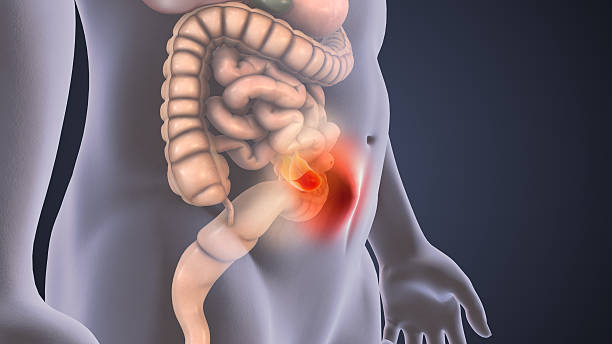
What is a hernia?
A hernia develops when pressure inside the abdomen pushes tissues, usually a small amount of fat or bowel, through a weak spot in the muscles of the abdominal wall. This creates a bulge that you can often see or feel.
The bulge may:
-
Appear when you are standing, coughing, lifting or bearing down.
-
Become smaller or disappear when you lie down or gently push it back in.
-
Feel uncomfortable, heavy or ache, especially towards the end of the day.
There are several types of hernia. The main abdominal wall hernias that a general surgeon like Mr Shaun Appleton treats include:
-
Inguinal hernia
In the groin area, more common in men. Often noticed as a lump that appears when standing or coughing. -
Femoral hernia
Lower down in the upper thigh or groin area. More common in women. Slightly higher risk of complications. -
Umbilical hernia
Around the tummy button. Can affect both adults and children. -
Epigastric hernia
In the upper central abdomen between the breastbone and the tummy button, often small but sometimes uncomfortable. -
Incisional hernia
Occurs in a scar from previous abdominal surgery where the muscle has not fully healed.
Hiatus hernias involve the diaphragm and are usually managed differently. Sometimes medication is all that is required but if surgery is appropriate then Mr Appleton will discuss this with you. This page focuses on hernias of the abdominal wall.
Common symptoms of a hernia
Symptoms can vary depending on the type and size of the hernia, but typical features include:
-
A soft lump or bulge that you can see or feel, often in the groin or around the tummy button.
-
The lump may be more noticeable at the end of the day, when you stand, cough, laugh, lift or strain.
-
A heavy, dragging or aching sensation in the area of the hernia.
-
Discomfort that improves when you lie down or gently support the area.
-
In some patients, a feeling of weakness or pressure rather than obvious pain.
Some hernias cause very few symptoms and are only found during an examination or scan for another problem. Others can be bothersome and restrict daily activities, exercise or work.
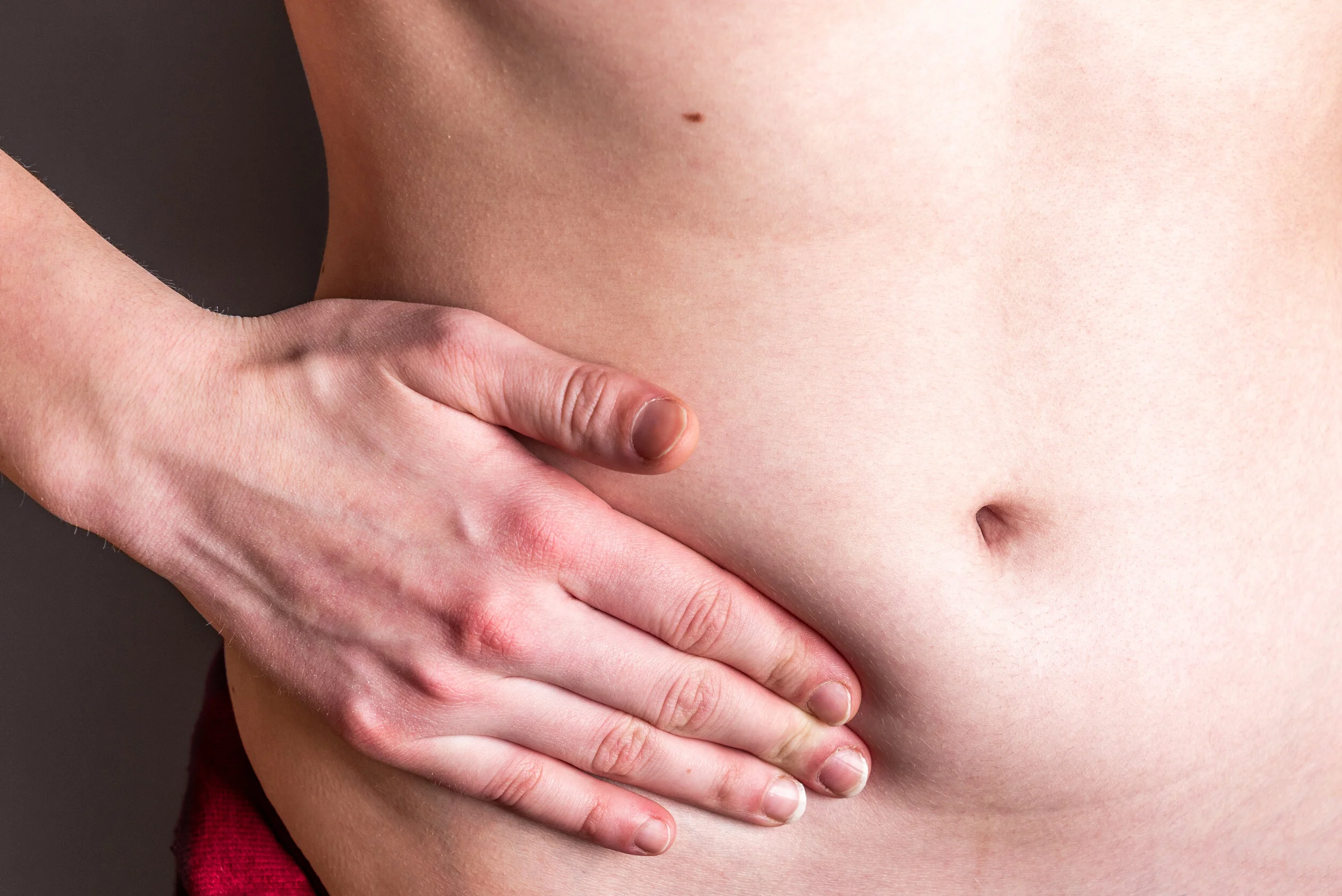
When hernias become urgent
Most hernias are not immediately dangerous, but there are times when they can become an emergency. This happens if tissue becomes trapped and its blood supply is at risk.
You should seek urgent medical help if you notice:
-
Sudden severe pain at the site of a known or new hernia.
-
A lump that becomes hard, very tender and cannot be pushed back in.
-
Redness or darkening of the skin over the hernia.
-
Nausea, vomiting, a swollen abdomen or inability to pass wind or open your bowels.
-
Feeling feverish, unwell or light headed.
These symptoms can be signs of incarcerated or strangulated hernia, or a bowel obstruction. These are medical emergencies and may require urgent surgery.
What causes hernias and who is at risk?
Hernias develop when a weakness in the abdominal wall is combined with increased pressure inside the abdomen. In many people there is no single cause, but risk factors include:
-
A natural weakness in the groin or abdominal wall.
-
Getting older, as muscles and tissues become less strong.
-
A chronic cough, heavy lifting or frequent straining.
-
Constipation or difficulty passing urine.
-
Being overweight or obese.
-
Previous abdominal surgery (leading to incisional hernias).
-
Pregnancy, which stretches and weakens the abdominal wall.
-
Certain medical conditions that increase pressure in the abdomen or affect connective tissue.
You can develop a hernia even if you have a healthy lifestyle and no obvious risk factors. It is not a sign of poor fitness or something you have done wrong.
How are hernias diagnosed?
Hernias are usually diagnosed through a careful history and physical examination. During your assessment, Mr Shaun Appleton will typically:
- Ask about your symptoms
When you first noticed the lump or discomfort, what brings it on, how it affects your daily activities, and whether it has changed over time. - Examine the area
Looking and gently feeling for a hernia while you are standing and lying down, and sometimes asking you to cough or strain to make the hernia more obvious. - Consider further tests if needed, such as:
- Ultrasound scan to clarify small or uncertain hernias.
- CT or MRI scans in more complex cases, recurrent hernias or incisional hernias, or when planning surgery.
In many straightforward hernias, no scan is needed and the diagnosis can be made on examination alone.
Treatment options for hernias
Hernias do not heal on their own and the only permanent treatment is surgical repair. However, the timing and type of treatment depend on:
-
The type and size of hernia.
-
Your symptoms and how much they affect your life.
-
Your age, general health and any other medical conditions.
-
The risk of complications if the hernia is left untreated.
Watching and waiting
For some small hernias that cause little or no discomfort, especially in patients with other significant health problems, a watch and wait approach may be appropriate. This involves:
-
Monitoring symptoms and the size of the hernia over time.
-
Avoiding heavy lifting and straining where possible.
-
Seeking urgent help if there are any signs of complications.
This approach does not remove the hernia but may be suitable for selected patients, particularly if the risks of surgery outweigh the benefits.
Hernia support garments
In some situations, a supportive garment (hernia belt or truss) may be suggested to help relieve symptoms. These can:
-
Provide temporary comfort for some groin hernias.
-
Be useful for patients waiting for surgery or for those who are not fit for an operation.
They do not repair the hernia and should be used under guidance from a clinician.
Surgical repair
Surgery is the only way to fix the underlying weakness. Hernia repair can usually be performed as a day case procedure. The main approaches include:
Open hernia repair
-
A cut is made over the hernia.
-
The herniated tissue is returned to the correct position.
-
The muscle or tissue defect is closed, often with the use of a synthetic mesh to reinforce the area.
-
This technique is commonly used for many groin and umbilical hernias.
Laparoscopic (keyhole) hernia repair
-
Several small cuts are made in the abdomen.
-
A camera and fine instruments are used to repair the hernia from the inside.
-
Mesh is usually used to strengthen the repair.
-
This approach can reduce pain in the early recovery period and may allow a quicker return to normal activities in some patients, particularly for certain groin hernias or bilateral hernias (on both sides).
The choice between open and keyhole repair depends on the type of hernia, your previous surgery, your general health and your personal preferences. Mr Shaun Appleton will explain the options that are most appropriate for you.
Mesh and non mesh repairs
Mesh is commonly used in modern hernia surgery to strengthen the repair and lower the risk of recurrence. There are non mesh repair techniques for selected patients, but they are not suitable for every type of hernia. The pros and cons of mesh and non mesh approaches will be discussed with you in detail as part of shared decision making.
As with any operation, there are risks, including pain, bruising, infection, recurrence of the hernia and, more rarely, nerve or blood vessel injury. These will be carefully explained before you decide about surgery.
Hernia treatments available with Mr Shaun Appleton
As a consultant general surgeon, Mr Shaun Appleton offers assessment and surgical treatment for a range of abdominal wall hernias, including:
-
Inguinal and femoral hernia repair.
-
Umbilical and epigastric hernia repair.
-
Repair of selected incisional hernias.
Procedures may be offered as:
-
Open hernia repair.
-
Laparoscopic (keyhole) hernia repair where suitable.
During your consultation, he will:
-
Confirm the type of hernia and whether it is the cause of your symptoms.
-
Discuss whether repair is recommended now or if monitoring is reasonable.
-
Explain the different techniques, including open and keyhole options where appropriate.
-
Talk through recovery, return to normal activities and any specific precautions for your job or lifestyle.
Living with a hernia and self care
While waiting for surgery or if a watch and wait approach has been agreed, there are steps that may help reduce symptoms and lower the strain on your abdominal wall:
-
Avoid heavy lifting where possible, and use good lifting technique if you must lift.
-
Treat constipation promptly and avoid straining on the toilet.
-
Try to maintain a healthy weight, as excess weight increases abdominal pressure.
-
Stop smoking, as chronic coughing can worsen hernias and smoking affects wound healing.
-
Support the area if you cough or sneeze by placing a hand gently over the hernia.
These measures do not cure the hernia but may make it more comfortable and reduce the risk of it getting worse while you are planning treatment.
When to seek help
You should arrange a routine appointment with your GP or a specialist such as Mr Shaun Appleton if:
-
You notice a new lump in your groin, tummy button region or abdominal scar.
-
A known hernia is getting larger or more uncomfortable.
-
Your hernia is restricting work, exercise or everyday activities.
-
You are unsure whether you should have surgery or continue to monitor it.
You should seek urgent medical attention and, in an emergency, call 999 or attend A&E if:
-
You have sudden, severe or rapidly worsening pain at the hernia site.
-
The lump becomes hard, very tender and does not go back in when you lie down.
-
The skin over the hernia becomes red, purple or very painful.
-
You have nausea, vomiting, a swollen abdomen or cannot pass wind or open your bowels.
-
You feel feverish, shivery or acutely unwell.
These can be signs of a trapped or strangulated hernia or a bowel obstruction, which need urgent treatment.
FAQ
Do all hernias need surgery?
Not always. Small, symptom free hernias can sometimes be monitored, especially if surgery carries higher risk. However, most hernias will slowly increase in size over time and surgery is usually recommended if symptoms develop or the hernia is clearly enlarging.
Do all hernias need surgery?
Not always. Small, symptom free hernias can sometimes be monitored, especially if surgery carries higher risk. However, most hernias will slowly increase in size over time and surgery is usually recommended if symptoms develop or the hernia is clearly enlarging.
Can a hernia get better on its own?
No. Hernias do not heal themselves. Support garments and lifestyle changes may ease symptoms, but they do not repair the underlying muscle weakness.
Is hernia surgery safe?
Hernia repair is a very common operation with a high success rate. As with any surgery, there are risks, which depend on the type of hernia, the repair technique and your overall health. These will be discussed with you so you can make an informed decision.
How long does it take to recover from hernia surgery?
Many patients go home the same day. Light activities are usually possible within a few days, with a gradual return to work and exercise over the following weeks, depending on the type of job and the procedure performed. You will be given tailored advice about driving, lifting and sport.
Will I be able to work after hernia repair?
Yes, but the timing depends on what you do. People with desk based jobs may return within 1 to 2 weeks. Those with heavy manual jobs may need longer before they can safely lift heavy loads again. Your surgeon will give specific guidance based on your role.
What about mesh in hernia surgery?
Mesh is widely used and has been extensively studied. For many hernias it lowers the risk of the hernia coming back. Concerns about mesh are taken seriously and your surgeon will discuss the benefits and risks, as well as alternative non mesh options where appropriate.

Related conditions and procedures
On this website you may also find it helpful to read about:
-
Inguinal and femoral hernia repair.
-
Umbilical and epigastric hernia repair.
-
Incisional hernia repair.
-
Other general surgical procedures performed by Mr Shaun Appleton.
NEXT STEPS
If you have a hernia, or think you may have one, an assessment with an experienced general surgeon can help you understand your options and decide whether and when to have it repaired.
Mr Shaun Appleton offers careful, individualised assessment and a full discussion of open and keyhole hernia repair techniques. To arrange an appointment, please use the contact details or enquiry form provided on this website.
GET IN TOUCH
BOOK ONLINE
Book online using the Circle Health Group booking system (opens in new window).
Private booking appointment
Booking is done directly with The Chiltern Hospital
Private Secretary
My private secretary Jo Bolton – contact for any queries
Billing enquiries
Billing enquiries go direct to Patient Billing
NHS enquiries
Enquiries for anything NHS related